
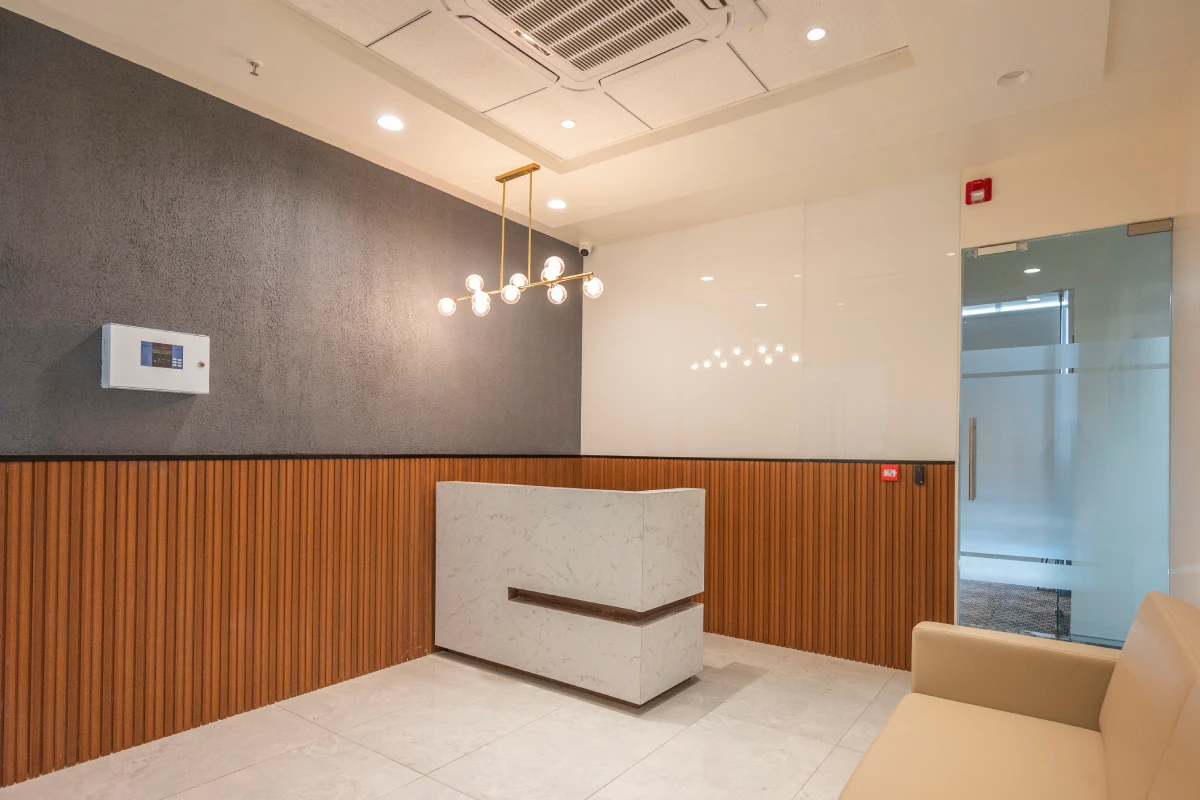
Shared workspaces, at their core, are designed to bring together individuals from different verticals under one roof. Through collaboration, these spaces aim to foster creativity, innovation, and community.
Shared workspaces are no longer just an alternative to traditional offices. In fact, the average global office utilization rate reached 40% in Q1 2025, a 9% point increase from the previous year. What this shows is a demand for physical work environments that offer flexibility and value.
However, to achieve sustained success, the spaces need to appeal to today’s professionals. Interior design bridges this gap. With a thoughtful design, you can boost productivity, encourage collaboration, and ensure personal comfort.
Looking to transform your shared workspace? There are the best interior design ideas (and some bonus tips) to help you create a high-performing and inspiring environment.
Does the Interior Design Really Matter?
Absolutely. Today, workspaces can leverage interior design as a strategic asset.
Here’s how:
1.Productivity and Creativity Boost
The physical environment impacts how people feel, think, and perform. A thoughtfully designed workspace can help promote mental clarity, reduce fatigue, and inspire better outcomes.
Practical examples include:
- Natural light: Large windows or skylights to reduce eye strain and elevate mood
- Ergonomic furniture: Adjustable chairs, sit-stand desks, and lumbar support to enhance comfort during long work hours
- Acoustic comfort: Sound-absorbing wall panels, ceiling baffles, and quiet zones to minimize distractions
- Thoughtful layout: Defined areas for focused work, collaboration, and movement, reducing visual and physical clutter
2. Supports Diverse Work Styles
Shared workspaces are known for their ability to serve a variety of work styles. Some people thrive in collaborative environments while others prefer quiet, uninterrupted time for deep focus. Interior design enables this flexibility in work styles, creating zones that ensure users can find a place that works for them.
Practical examples include:
- Focus zones: Enclosed cabins, individual pods, or quiet nooks for distraction-free work.
- Collaboration areas: Open lounges or bench-style seating for group work and brainstorming.
- Call-friendly setups: Soundproof phone booths or semi-private alcoves for video calls and meetings.
- Flexible seating: Hot desks, bar stools, couches, and soft seating to support work-from-anywhere styles
3. Defines Brand Identity and User Experience
Well-designed shared workspaces have a clear, distinct personality. Interior design shapes how people perceive the brand, feel in the space, and connect with the environment around them. From the materials to the layout, the design can set the tone of the user experience. How well you help users in achieving this emotional connection often decides if the users will stay, associate with the space, and recommend it to others.
Practical examples include:
- Brand-aligned color palettes: Bold colors for creative energy, muted tones for professionalism
- Local artwork or custom murals: Adds uniqueness and cultural relevance to the space
- Signature furniture pieces: A statement reception desk or bespoke lighting fixtures that reflect the brand’s style
- Consistent design language: Cohesive finishes, materials, and signage across the workspace to build identity and recognition
Best Interior Design Ideas for Shared Workspaces
A high-performing shared workspace at its core is an environment that enhances productivity, supports diverse work styles, and promotes well-being.
Here are some of the best ideas, according to us, to help you design a shared workspace that functions seamlessly while looking and feeling great:
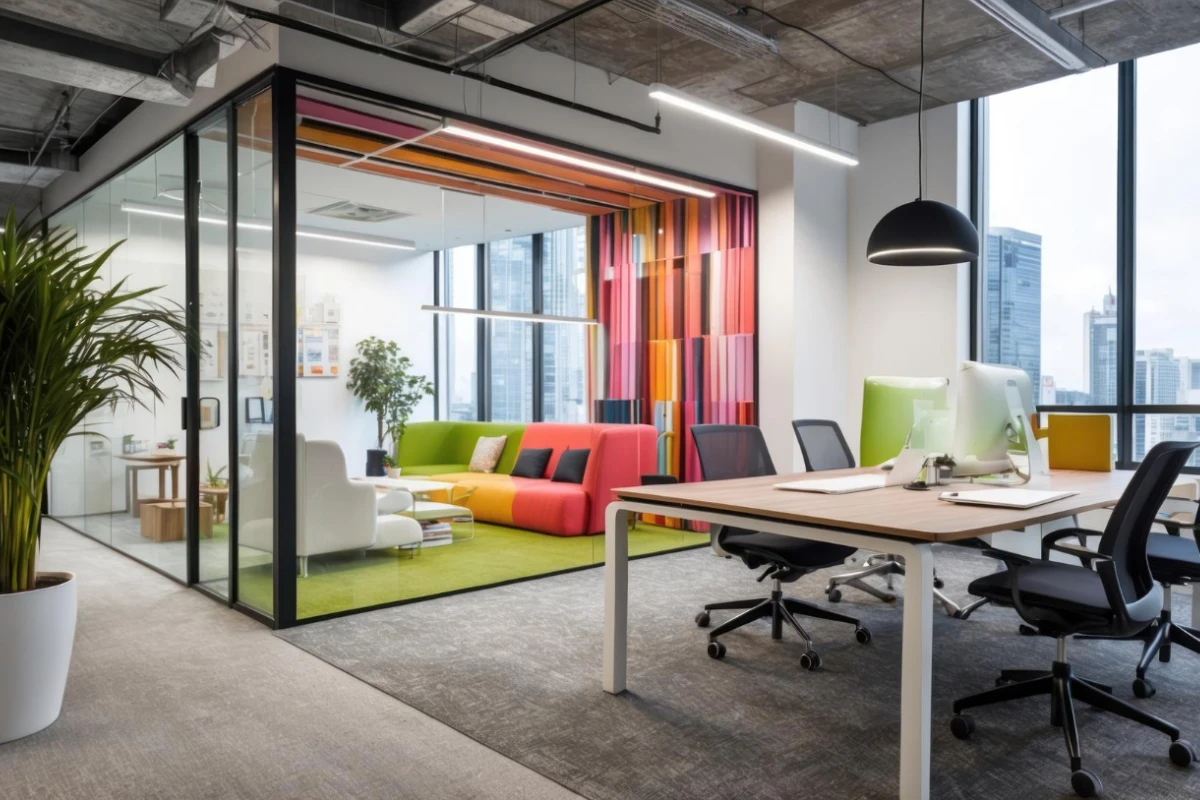
1. Zoned Layouts for Function and Flow
Creating distinct zones for different work styles allows people to choose the environment that suits them, whether it’s collaborative meetings or casual breaks. Zoning also creates distraction-free environments and an intuitive flow within the workspace.
2. Flexible and Modular Furniture
Modular furniture supports agility. As teams grow or priorities shift, spaces can be easily revamped to suit the changing needs of the users. Furniture that adapts to various uses allows the workspace to remain dynamic yet relevant.
3. Biophilic Design Elements
Integrating elements of nature into your interior design enhances the aesthetic, improves mental clarity, reduces stress, and cultivates a healthier atmosphere. Biophilic elements make it more welcoming and grounded.
4. Smart Use of Color Psychology
Colors impact mood and behavior. Using calming tones in quiet areas and energizing shades in creative zones will help align the ambience with the activity while subtly guiding user experience through visual cues.
5. Acoustic Solutions
Managing sound is crucial in open-plan workspace environments. Acoustic design ensures privacy and minimizes distractions without compromising openness. The right treatments improve comfort and concentration, particularly in high-traffic zones.
6. Lighting Design
A good lighting plan balances natural and artificial light to support wellness and productivity. If the space is too dim or too bright, it can induce fatigue. In contrast, adjustable lighting adapts to different needs throughout the day.
7. Local Identity
Blending local characteristics and personalized design elements adds a distinctive character to a space. It strengthens the brand identity and creates a sense of place, helping members feel more connected to their environment.
Design Tips for The Collaborative Yet Private Workspaces
One of the major challenges shared workspaces face is in striking the balance between openness and privacy through their designs. The professionals today need environments that support both spontaneous collaboration and deep individual focus.
This means the key is to create a layout and atmosphere that empowers choice.
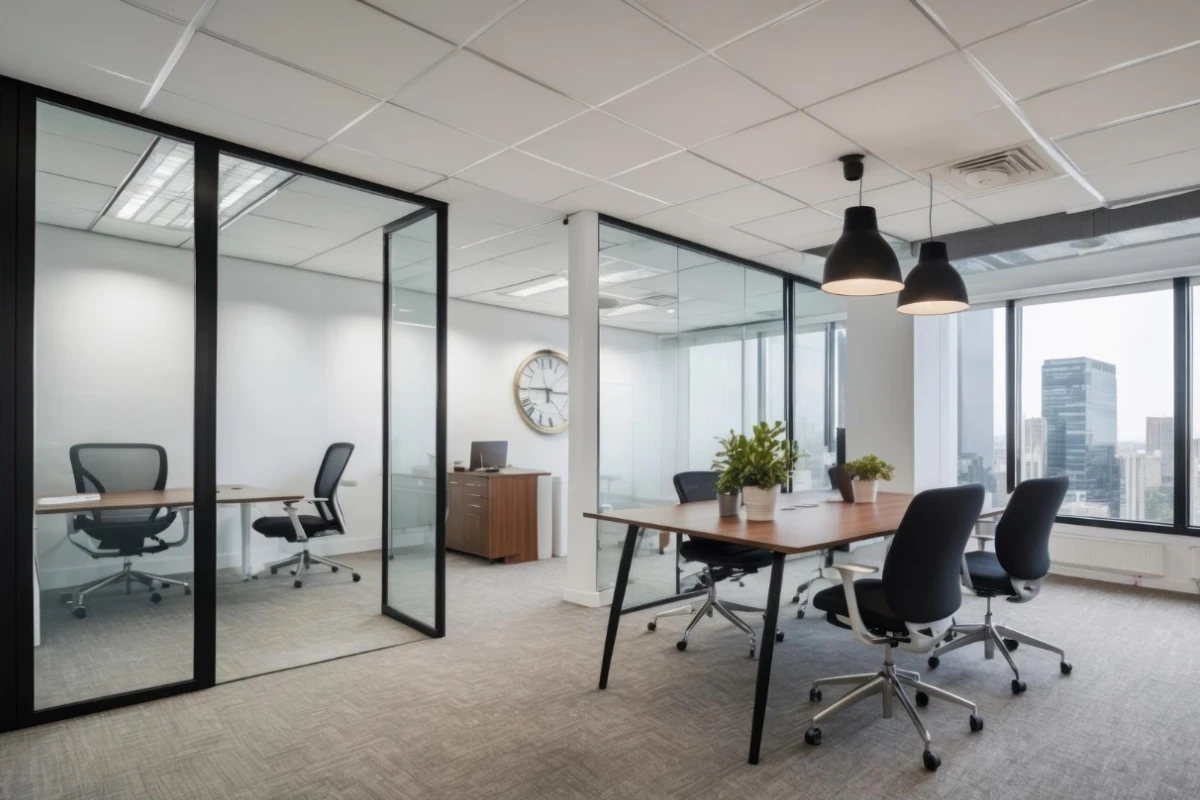
Here is how to strike that balance:
1. Layer Privacy Into the Layout
Instead of the binary approaches of open vs closed, think in layers. Offer a spectrum of settings with open lounges, semi-private alcoves, phone booths, and enclosed cabins. This can help individuals choose an environment that suits their task or mood. Depending on the moment, this enables visibility and retreat as well.
2. Use Physical and Visual Cues to Define Boundaries
Design elements like partitions, bookshelves, planter walls, or revamped flooring and lighting can help delineate space without building full enclosures. These cues create a sense of separation, offering visual privacy while maintaining openness and natural flow.
3. Integrate Sound Management
Acoustic privacy is equally important as visual separation. Materials like felt panels, acoustic ceilings, and soft furnishings help absorb sound. To avoid disruption, consider placing call booths and private cabin office spaces away from high-traffic zones. To avoid disruption, consider placing call booths and private cabin office spaces away from high-traffic zones.
4. Design for Flexibility
Let the workspace evolve with its users. Modular furniture, movable dividers, and multipurpose layouts enable teams to transition seamlessly from solo work to group collaboration. This flexibility prevents friction and encourages organic interaction.
5. Add Quiet Zones without Isolation
Create designated quiet areas that encourage focused work without making users feel cut off. These can be glass-enclosed rooms, nooks with sound-dampening features, or zones with visual signals that encourage a quiet environment through muted tones or “library rules” signage.
6. Support Digital Collaboration
Privacy does not always mean physical isolation. Ensure spaces are equipped with the right tech like screen dividers, headset-friendly seating, and video-call-ready pods for people to connect virtually without disturbing others.
To Summarize
With the rise in hybrid work culture and utilization rates, interior design can be leveraged to drive functionality, flexibility, and user satisfaction.
Ultimately, the best interior design ideas are people-centric. This means designing environments that inspire creativity, support unique work styles, while staying true to brand identity.
Ready to Elevate Your Workspace Design?
Explore how Whitehills can transform your shared workspace into a high-performance environment.
FAQs About Shared Workspaces Interior Design
1. Why does interior design matter in shared workspaces?
It boosts productivity, supports collaboration, and enhances user comfort.
2. How can design balance privacy and openness?
Through zones, acoustic panels, and flexible layouts that let users choose how they work.
3. What is biophilic design?
It’s the use of natural elements like plants and sunlight to create a calming, healthy workspace.
4. What are easy, budget-friendly design upgrades?
Modular furniture, accent lighting, local artwork, and greenery.
5. How does Whitehills help?
We design shared workspaces that are functional, flexible, and aligned with your brand.