
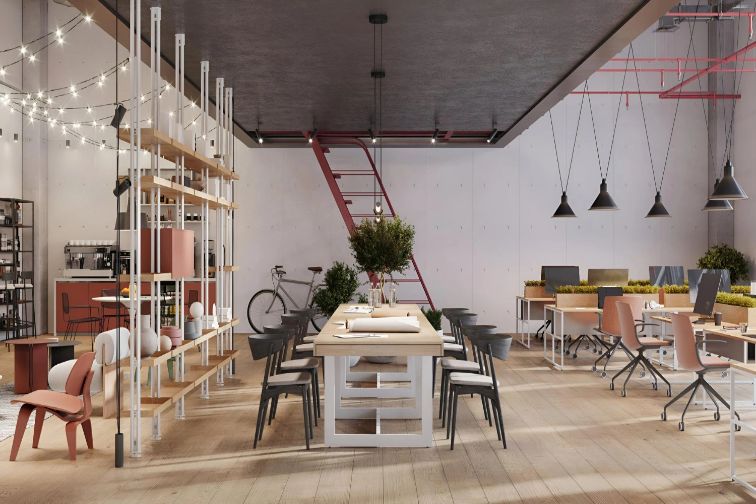
When Offices Feel Dull, Work Suffers
Today, many offices still feel dull, colourless, and uninteresting the moment we step in—rows of desks, plain walls, and lighting that drains energy rather than creating it. As work culture and employee expectations change, such spaces no longer feel lively and fun to be a part of.
Modern businesses are now exploring office interior design ideas that aren’t just about basic functionality. The truth is that the way an office looks and feels can affect motivation, creativity, and focus. Well-planned workplace interior design can improve morale, encourage collaboration, significantly impact productivity, and increase the will to work.
In future, Vibrant offices are essential and won’t be optional.
A Vibrant Office Isn’t Just About Colours
When people hear “vibrant office interiors,” they often think of bright colours everywhere. But vibrancy is not about being loud—it’s about creating energy through thoughtful design.
A truly vibrant office combines:
- Functionality
- Comfort
- Movement and flow
- Spaces designed around people, not just desks
Modern office interior design focuses on how employees move, collaborate, focus, and recharge during the day. Vibrancy comes from balance—between aesthetics and usability, creativity and structure.
Use Colour Strategically to Energise the Space
Colour plays a powerful role in shaping behaviour and mood, making it a key element in office interior design trends.
Role of Colour Psychology in Offices
- Blue and green promote calm, focus, and concentration
- Yellow and orange encourage creativity and energy
- Neutral tones help balance bold elements and reduce visual fatigue
Accent Walls vs Overuse of Bold Colours
Instead of overwhelming the space, use colour as an accent:
- Feature walls
- Brand-aligned colour highlights
- Furniture or partitions in bold tones
Zoning with Colour
Using colour to define zones improves both aesthetics and function:
- Focus areas: greens or soft blues
- Collaboration zones: playful or warm colours
- Breakout spaces: relaxed, neutral palettes
This approach supports office interiors for productivity while keeping the space visually engaging.
Office Interior Design Ideas for a Vibrant Environment
Open-Concept Layouts
Open layouts improve transparency, communication, and flexibility. In modern offices with well-designed layouts, they reduce clutter and create visual openness
Add Greenery to Office Spaces
Plants instantly make spaces feel alive. Greenery improves air quality, reduces stress, and enhances workplace aesthetics, making it a core element of biophilic office design.
Quirky and Thoughtful Quotes
Well-placed quotes or wall graphics can add personality without distraction. When aligned with company culture, they strengthen identity and engagement.
Minimalist Office Furniture
Clean lines and clutter-free furniture keep the office feeling fresh and organised. Minimalism supports functional office interiors while allowing colours and textures to stand out.
Biophilic Office Designs
Natural materials, daylight access, indoor plants, and organic textures help reconnect employees with nature—boosting focus and well-being.
Ergonomic Furniture for Offices
Comfort fuels productivity. Ergonomic chairs, adjustable desks, and supportive workstations are essential for employee-centric office design.
Add Interactive Elements
Writable walls, collaboration boards, and flexible furniture encourage interaction and idea-sharing—key for office interiors that boost engagement.
Acoustic Solutions
Noise can kill productivity in vibrant spaces. Acoustic panels, soft furnishings, and zoning help maintain focus while keeping energy levels high.
Balancing Vibrancy with Productivity
Vibrancy should never overwhelm employees. Overstimulating designs can reduce focus and increase fatigue.
Smart office design ideas for modern workplaces focus on:
- Creating separate zones for focus and collaboration
- Using colour, texture, and light intentionally
- Ensuring design supports performance, not distractions
The goal is to design spaces that energise without exhausting—where creativity and concentration coexist.
Conclusion
Creating vibrant office interiors is no longer about adding colour or following design trends—it’s about designing workplaces that genuinely support how people work. Thoughtful office interior design improves productivity, boosts engagement, and strengthens workplace culture by balancing aesthetics with functionality.
When businesses focus on employee-centric office design, they create environments that encourage collaboration, focus, and creativity. Investing in well-planned, vibrant office interiors is ultimately an investment in people, performance, and long-term business success.
FAQs
How do office interiors impact productivity?
Office interiors directly influence focus, comfort, and motivation. Well-designed spaces with proper lighting, ergonomic furniture, and functional layouts reduce fatigue and distractions, helping employees work more efficiently and stay engaged throughout the day.
What are the key elements of a vibrant office interior?
Vibrant office interiors combine strategic use of colour, natural light, greenery, ergonomic furniture, and flexible layouts. These elements work together to create energy while supporting productivity and comfort.
Can modern office interior design improve employee engagement?
Yes. Modern office interior design encourages collaboration, creativity, and well-being. Interactive spaces, breakout zones, and employee-centric layouts make teams feel more connected and involved in their work environment.
How can offices stay vibrant without becoming distracting?
Using accent colours instead of overwhelming palettes, zoning spaces for focus and collaboration, and adding acoustic solutions ensures vibrancy supports productivity rather than causing overstimulation.
Are vibrant office interiors suitable for all types of workplaces?
Vibrant interiors can be adapted to any workplace—corporate offices, startups, or hybrid workspaces. The design should align with the company’s work culture, team size, and nature of work to deliver the best results.
Reference:
https://www.centuryply.com/blog/office-interior-design-ideas