
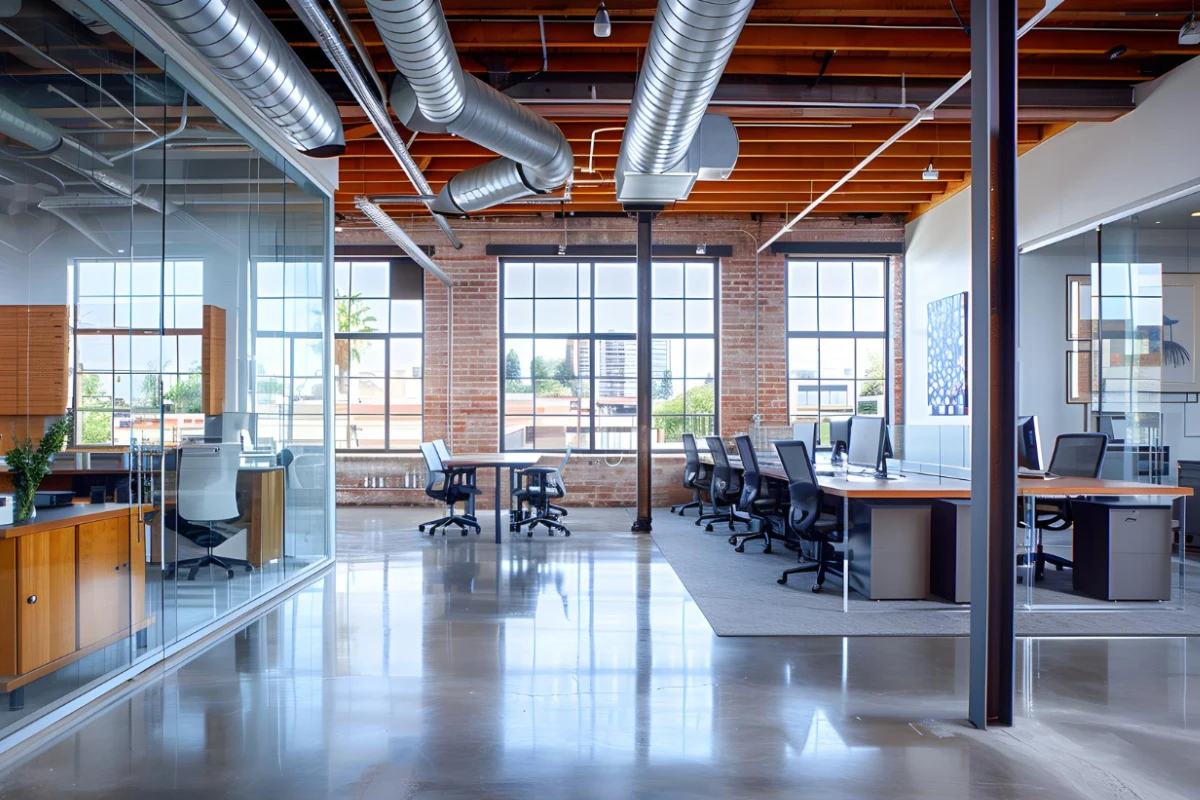
Coworking spaces have become a go-to choice for businesses worldwide. Competing in the same space, coworking spaces need to have a distinct personality to stand out. Several factors differentiate one space from another, design being one of the major elements impacting the success rates.
The way a space is designed directly influences productivity, collaboration, and even member retention. A well-designed workspace fosters creativity, balances privacy and openness, and maximizes limited square footage.
Want to maximize your shared workspace? Let’s explore practical coworking interior design ideas that cover everything from small-space strategies to open vs closed layouts. Starting fresh or redesigning, these insights will help you create a workspace that people love.
How to Design a Coworking Office: Key Principles
An ideal workspace environment caters to diverse people and needs. The most successful coworking spaces follow a few core principles:
1. Flexibility: Spaces should adapt to different tasks. Movable furniture, modular desks, and convertible rooms make it easy to switch between collaboration and focus.
2. Comfort & Ergonomics: Comfortable seating, adjustable chairs, and good posture-friendly setups encourage longer, healthier work sessions.
3. Community vs. Privacy Balance: While coworking thrives on interaction, members also need quiet zones for calls or deep work. The design should be done in a way that considers both aspects.
4. Technology Integration: Seamless connectivity, plenty of charging ports, and smart booking systems make a space functional and future-ready.
Combining these principles will help strike the right balance between productivity, collaboration, and comfort.
Small Coworking Space Design Strategies
Not every workspace has the luxury of sprawling square footage. Many thrive in compact areas, but success depends on how cleverly the space is designed. A limited space means every corner must work harder.
- Space-Saving Furniture: Foldable desks, wall-mounted shelves, and stackable chairs ensure flexibility without the clutter.
- Multi-Purpose Zones: A lounge can double as an informal meeting space, while a cafe-style area can also function as hot-desking during peak hours.
- Natural Light & Illusions of Space: Large windows, glass partitions, and mirrors make small areas feel bigger and brighter.
- Compact Breakout Corners: Even in tight layouts, a small nook with a sofa or beanbags can create a sense of community and relaxation.
Boutique coworking hubs in urban centers are a great example that maximize every inch by blending smart storage, modular furniture, and multifunctional layouts. With thoughtful planning, small coworking spaces can feel just as dynamic and professional as larger ones.
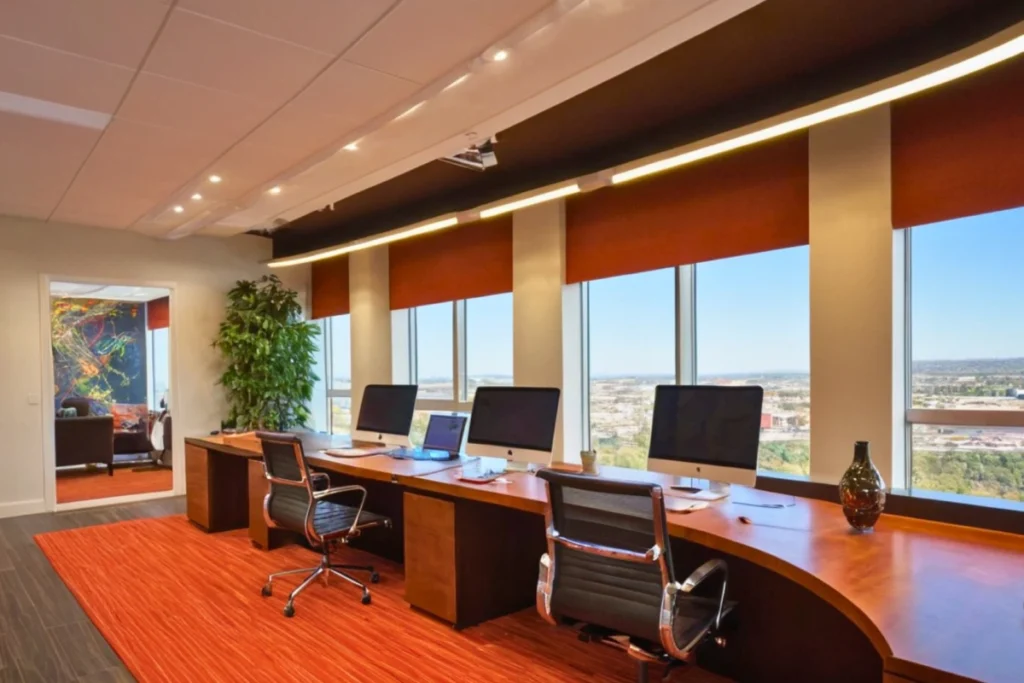
Open vs Closed Coworking Design: Choosing the Right Layout
Choosing between an open, closed, or mixed plan can be daunting. Although each option has its pros and cons.
Open Layouts:
Open coworking spaces are cost-effective, easier to furnish, and create a lively, collaborative atmosphere. Members feel connected, and teams can brainstorm without physical barriers. However, noise and distractions can be a major challenge.
Closed or Private Layouts:
Private offices, meeting rooms, and enclosed booths give members the privacy they need for calls, client discussions, or confidential projects. These spaces are often viewed as premium, allowing operators to charge more. The trade-off, however, is reduced interaction and higher setup costs.
Hybrid Approach:
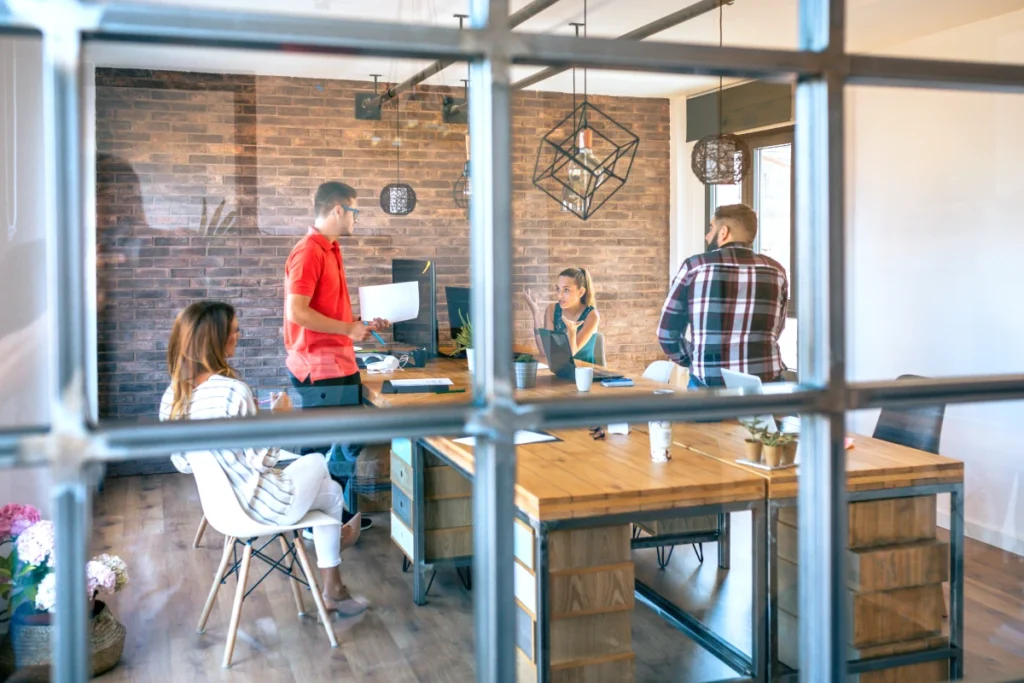
Many modern coworking providers blend both styles of open and closed layouts. Open lounges and shared desks encourage collaboration, while soundproof phone booths, quiet rooms, and dedicated offices are privacy-focused. This balance ensures that freelancers, start-ups, and enterprise teams all find a setup that fits their working style.
The right choice depends on who the target audience is. While freelancers may prefer an open layout for networking, enterprise clients often expect private cabins.
Maximizing Space in Shared Offices
Today, efficiency in the workplace is everything. However, fitting multiple users into one office without compromising comfort or productivity is challenging. Smart design helps in optimizing every square foot of the space.
- Vertical Storage Solutions: Instead of cluttering the floor with cabinets, wall-mounted shelves, and overhead storage, keep the workspace organized and open.
- Hot Desking & Rotational Use: Compared to permanent desks, hot desking allows members to use any available seat. This keeps occupancy high and reduces wasted space.
- Zoning with Partitions: Dividing spaces with plants, bookshelves, or acoustic panels can create distinct zones. Including quiet workstations, collaboration hubs, and relaxation areas-without heavy construction.
- Smart Technology: Occupancy sensors, digital booking systems, and desk reservation apps ensure spaces are used efficiently and fairly.
- Utilizing Dead Space: Corners, narrow corridors, and even stair landings can be converted into phone booths, reading nooks, or compact seating areas.
The Role of Branding
Beyond functionality, coworking interiors also serve as a reflection of the brand’s identity. A thoughtfully designed space communicates values, attracts the right audience, and creates a lasting impression.
- Brand Alignment: Colors, materials, and artwork should mirror the brand’s personality.
- Biophilic Design: Incorporating plants, natural textures, and daylight improves aesthetics while enhancing wellbeing and focus.
- Local Culture & Authenticity: Using local art, furniture, or design elements creates a sense of belonging while distinguishing the space from generic offices.
- The Emotional Factor: A visually appealing workspace is a massive selling point. Members are more likely to choose and stay in a coworking space that feels inspiring, comfortable, and aligned with their values.
When aesthetic and branding are in sync, coworking spaces transform into environments that people are proud to work in and share on social media.
Practical Tips & Common Mistakes to Avoid
Even the most ambitious coworking projects can fall short if basic design mistakes are overlooked. Here are a few practical tips to save time, money, and future complaints.
Tips for Success:
- Test the layout before finalizing: Walk through the space to check flow, accessibility, and comfort.
- Provide plenty of charging points and outlets: Ensure there are plenty of outlets and charging points to keep members’ devices powered up.
- Invest in good lighting: Natural light is best, but task lighting is essential for evening hours.
- Consider acoustics: Soundproofing and soft materials reduce echo and distractions
Mistakes to Avoid:
- Overfilling the space with furniture just to increase seating capacity
- Ignoring ventilation and climate control, which directly affect productivity
- Overlooking storage solutions, leading to clutter
- Designing for aesthetics only, without considering how people will actually use the space
To Conclude
Coworking interior design is about creating the synergy between flexibility, functionality, and community to coexist. The smallest of design decisions shape how people feel and perform in the workspace. A well-designed coworking space boosts productivity while strengthening brand identity and member loyalty.